Introduction: Your Path to Online Entrepreneurship in 2026
The year is 2026, and the online marketplace is more vibrant and accessible than ever. If you're looking to make money online, you've come to the right place. This guide is designed for beginners, providing a step-by-step roadmap to launching and growing a successful online business. Whether you're selling handmade crafts, digital products, or reselling trending items, the opportunities are endless. Let's dive in!
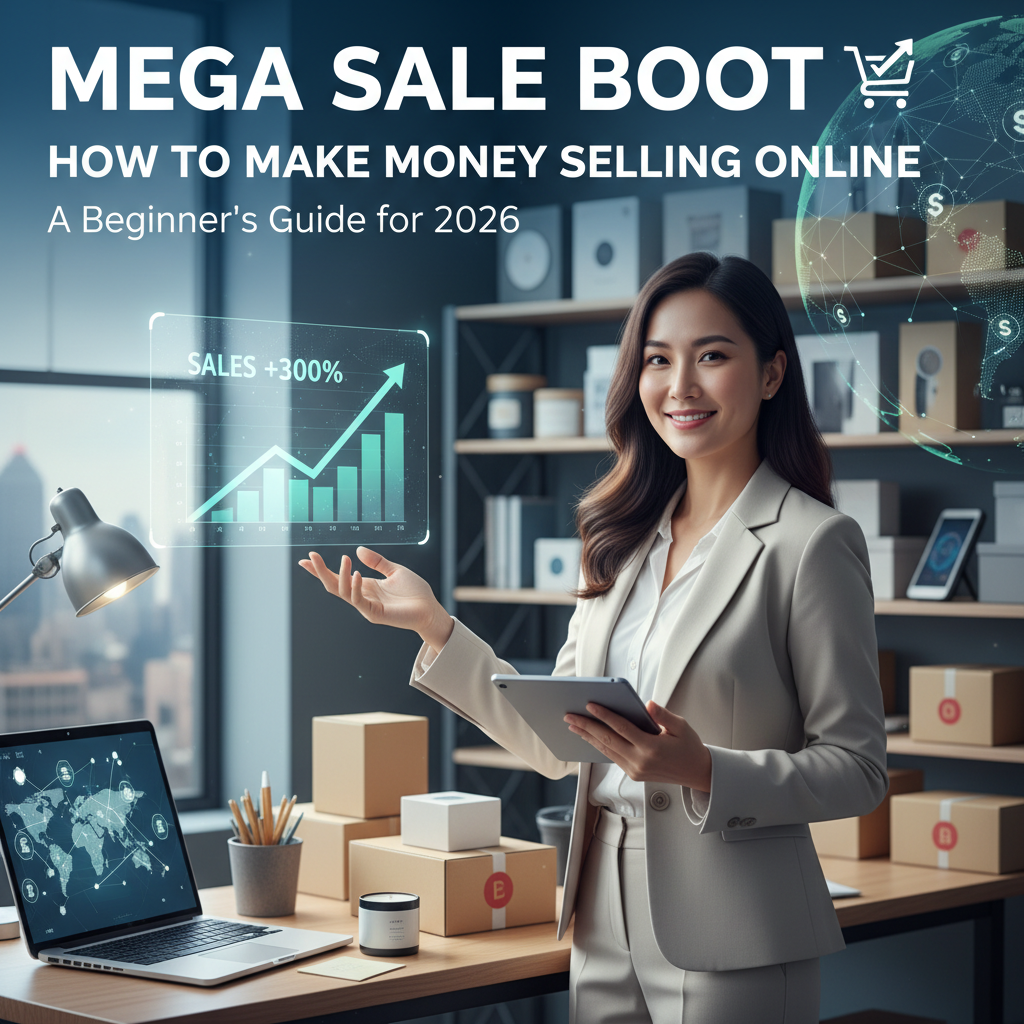
Step 1: Finding Your Niche and Identifying Products
The first and arguably most crucial step is identifying your niche and the products you'll sell. A niche is a specific segment of the market with its own unique needs and preferences. Choosing the right niche can drastically increase your chances of success.
Brainstorming Ideas
- What are you passionate about? Starting with your interests and hobbies is a great way to find a niche. If you're passionate about something, you'll be more motivated to learn and grow your business.
- What problems can you solve? Identify common problems or needs that people have and consider how you can provide a solution.
- What are you good at? Consider your skills and expertise. Can you offer a unique product or service based on your knowledge?
Market Research
Once you have some ideas, it's time to conduct market research. This will help you determine the viability of your niche and identify potential products.
- Keyword Research: Use tools like MegaSaleBoot's Keyword Analyzer (or similar tools available in 2026) to identify popular search terms related to your niche. This will give you insights into what people are looking for online.
- Competitor Analysis: Analyze your competitors. What products are they selling? How are they marketing their products? What are their strengths and weaknesses?
- Trend Analysis: Stay up-to-date on current trends. What products are gaining popularity? What are the emerging markets?
- Social Media Listening: Monitor social media conversations to understand what people are talking about and what their needs are.
Product Sourcing
After identifying your niche and potential products, you need to determine how you'll source them.
- Manufacturing: If you're creating your own products, you'll need to consider manufacturing costs, materials, and production processes.
- Wholesale: Buying products in bulk from wholesalers can be a cost-effective way to source inventory.
- Dropshipping: With dropshipping, you don't need to hold any inventory. When a customer places an order, you forward it to a third-party supplier who ships the product directly to the customer.
- Print on Demand: Similar to dropshipping, but focused on customized products like t-shirts, mugs, and phone cases.
- Reselling: Buying products at a lower price and selling them at a higher price. This can include vintage items, collectibles, or refurbished electronics.
Step 2: Building Your Online Store
Now that you have your niche and products, it's time to build your online store. Fortunately, in 2026, setting up an online store is easier and more affordable than ever.
Choosing an E-commerce Platform
There are several e-commerce platforms to choose from, each with its own strengths and weaknesses. Consider your budget, technical skills, and business needs when making your decision.
- MegaSaleBoot Marketplace: MegaSaleBoot offers a streamlined marketplace solution, perfect for beginners. You can easily list your products and take advantage of MegaSaleBoot's built-in marketing and customer support tools.
- Shopify: A popular e-commerce platform with a user-friendly interface and a wide range of features and apps.
- WooCommerce: A WordPress plugin that allows you to turn your WordPress website into an online store.
- Other Platforms: Explore other platforms like Wix eCommerce, Squarespace Commerce, and BigCommerce.
Setting Up Your Store
Once you've chosen a platform, follow these steps to set up your store:
- Choose a Domain Name: Your domain name is your online address. Choose a name that is memorable, relevant to your brand, and easy to spell.
- Design Your Store: Create a visually appealing and user-friendly store design. Use high-quality images and videos to showcase your products.
- Write Product Descriptions: Write clear, concise, and compelling product descriptions that highlight the benefits of your products.
- Set Up Payment Gateways: Integrate secure payment gateways like PayPal, Stripe, or MegaSaleBoot Pay to accept payments from customers.
- Configure Shipping Options: Set up shipping options and rates. Consider offering free shipping for orders above a certain amount.
- Implement Security Measures: Protect your store and customer data by implementing security measures like SSL certificates and firewalls.
Step 3: Marketing Your Online Store
Building a great online store is only half the battle. You also need to market your store to attract customers.
Search Engine Optimization (SEO)
SEO is the process of optimizing your website to rank higher in search engine results. This can drive organic traffic to your store.
- Keyword Research: Identify relevant keywords that your target audience is searching for.
- On-Page Optimization: Optimize your website's content, including titles, descriptions, and images, with your target keywords.
- Off-Page Optimization: Build backlinks from other reputable websites to improve your website's authority.
- Technical SEO: Ensure your website is mobile-friendly, fast-loading, and easy to crawl by search engines.
Social Media Marketing
Social media is a powerful tool for reaching your target audience and building brand awareness.
- Choose the Right Platforms: Focus on the social media platforms where your target audience is most active.
- Create Engaging Content: Share valuable and engaging content that resonates with your audience.
- Run Contests and Giveaways: Contests and giveaways can help you attract new followers and generate leads.
- Engage with Your Audience: Respond to comments and messages promptly and build relationships with your followers.
Paid Advertising
Paid advertising can be a quick and effective way to drive traffic to your store.
- Search Engine Marketing (SEM): Use platforms like Google Ads to run targeted ads that appear in search engine results.
- Social Media Advertising: Use platforms like Facebook Ads and Instagram Ads to run targeted ads that reach your specific demographics.
- Influencer Marketing: Partner with influencers in your niche to promote your products to their followers.
Email Marketing
Email marketing is a cost-effective way to nurture leads and drive sales.
- Build an Email List: Offer incentives like discounts or free content to encourage visitors to sign up for your email list.
- Segment Your Email List: Segment your email list based on demographics, interests, and purchase history.
- Send Targeted Emails: Send targeted emails that are relevant to each segment of your email list.
- Automate Your Email Marketing: Use email marketing automation tools to send automated emails based on specific triggers, such as new sign-ups or abandoned shopping carts.
Step 4: Providing Excellent Customer Service
Excellent customer service is crucial for building customer loyalty and generating repeat business.
Respond Promptly
Respond to customer inquiries and complaints promptly. Aim to respond within 24 hours.
Be Helpful and Empathetic
Be helpful and empathetic when dealing with customers. Try to understand their needs and provide solutions that meet their expectations.
Offer Multiple Channels for Support
Offer multiple channels for customer support, such as email, phone, live chat, and social media.
Implement a Return and Refund Policy
Implement a clear and fair return and refund policy. This will give customers confidence in your products and services.
Ask for Feedback
Ask for feedback from your customers. This will help you identify areas for improvement and provide better service in the future.
Step 5: Analyzing and Optimizing Your Performance
Continuously analyze your performance and make adjustments to improve your results.
Track Key Metrics
Track key metrics like website traffic, conversion rates, average order value, and customer satisfaction.
Use Analytics Tools
Use analytics tools like Google Analytics and MegaSaleBoot Analytics to track your performance and identify areas for improvement.
A/B Testing
A/B test different versions of your website, product descriptions, and marketing campaigns to see what works best.
Stay Up-to-Date
Stay up-to-date on the latest trends and best practices in e-commerce. The online landscape is constantly evolving, so it's important to stay informed.
Conclusion: Your Journey to Online Success Starts Now
Making money selling online in 2026 is achievable with the right strategy and dedication. By following the steps outlined in this guide, you can launch a successful online business and achieve your financial goals. Remember to stay focused, adaptable, and always put your customers first. Good luck!